Autel Added an AI Assistant to Its Diagnostic Tool — Does It Actually Help?
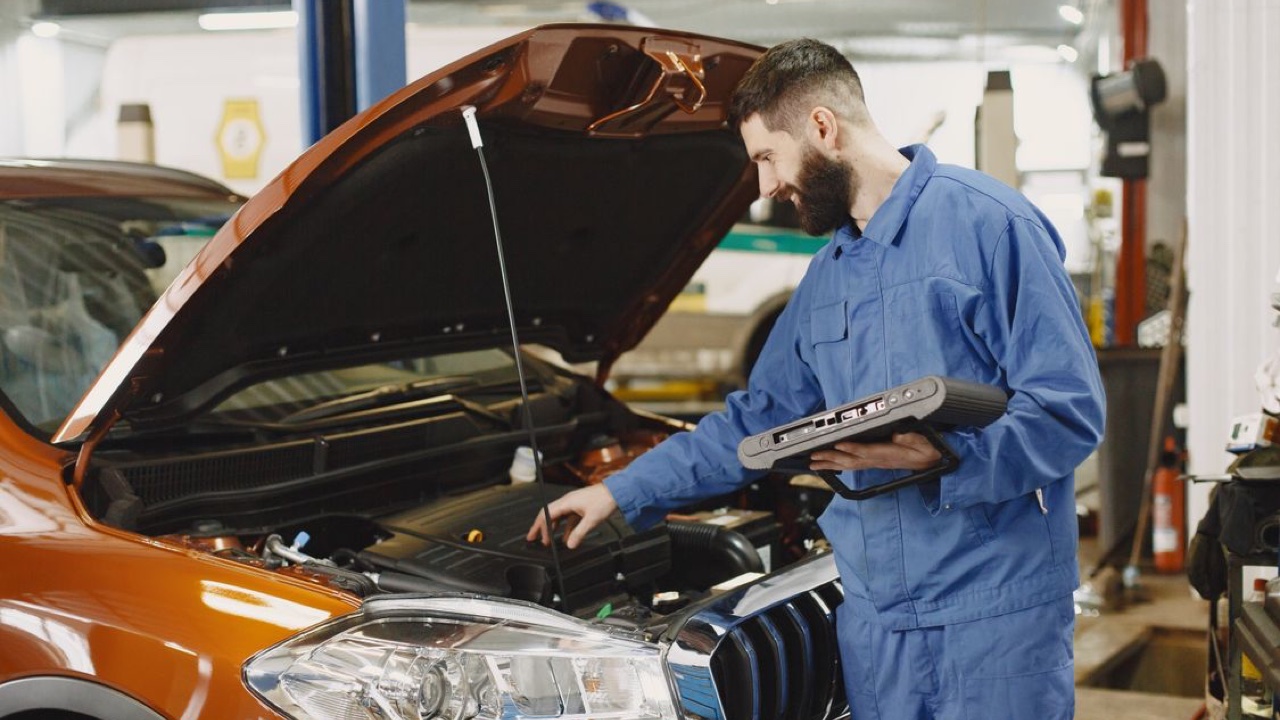
The marketing pitch for AI-assisted diagnostics is straightforward: the tool reads the codes, cross-references repair data, and tells you what’s likely wrong and what to do about it. For technicians who’ve spent years building that knowledge manually, the obvious question is whether this actually changes how fast or how accurately a job gets done, or whether it’s mostly a feature that looks impressive in a product video.
Having worked with Autel tools for a while, my take is that the AI assistant is genuinely useful in a specific subset of situations — and nearly irrelevant in others. The distinction matters because it affects whether the feature should factor into your buying decision.
Where It Actually Saves Time
The clearest use case is unfamiliar platforms. When a vehicle make or model comes into the bay that you don’t see regularly, the usual workflow involves reading codes, then separately looking up technical service bulletins, checking known issues for that VIN, and cross-referencing repair procedure information. That process can take 20 to 40 minutes before any physical inspection starts.
The AI assistant on a capable autel car diagnostic tool like the Ultra S2 compresses some of that into the session itself — surfacing common failure patterns associated with the codes it’s reading, flagging whether there are known TSBs for the specific vehicle, and suggesting a diagnostic path that reflects how the manufacturer expects the fault tree to be worked. It doesn’t replace the inspection, but it reduces the research overhead that eats into diagnostic time on infrequent platforms.
The second useful scenario is training and consistency across technician skill levels. In a shop where you have a mix of experience levels, an AI that consistently suggests the manufacturer-preferred diagnostic sequence acts as a floor for quality. A less experienced tech following the tool’s guidance will approach the job more systematically than if they were working from memory alone. The tool doesn’t close the experience gap entirely, but it narrows it.
Where It Doesn’t Change Much
For vehicles you work on constantly — your shop’s core makes — experienced technicians already know the common failure modes cold. The AI suggestion for a P0300 on a platform you see twenty times a month isn’t adding information you don’t have. You’ve seen the pattern, you know where to look first, and the tool’s guidance is just confirming what you’d do anyway. In that context, the AI assistant is background noise rather than a time saver.
Intermittent faults are another area where AI assistance runs into limitations. The pattern matching that makes the feature useful on clear, consistent codes becomes less reliable when the fault doesn’t reproduce consistently or when the root cause is a condition the system hasn’t seen often enough to recognize as a pattern. A technician’s contextual judgment — knowing that a particular symptom on a particular vehicle tends to show up under specific temperature conditions or only after extended idle — is something current AI tools can’t replicate from code data alone.
The Honest Assessment
The AI assistant is a feature that adds real value in a narrower range of situations than the marketing suggests. It’s most useful for shops that handle a wide variety of makes and models rather than a specialized fleet, for mixed-experience technician teams, and for reducing documentation lookup time on unfamiliar platforms.
It doesn’t replace diagnostic skill or experience on complex faults. It doesn’t handle intermittent issues better than a methodical technician. And on your bread-and-butter vehicles, it’s not going to noticeably change your diagnostic speed.
What it does do is lower the floor on unfamiliar jobs and make the knowledge built into Autel’s database more accessible during the diagnostic session rather than requiring a separate research step. For a shop that regularly takes in a diverse vehicle mix, that’s a meaningful productivity improvement even if it’s not the transformation the marketing implies.
Whether that’s worth the premium over a capable tool without the AI layer depends on your actual case mix. If 70% of your work is the same handful of makes, probably not. If you’re regularly seeing things you don’t see every week, the feature starts earning its keep.