What Makes JYF Hammer Blades Different in Flail Mower Work
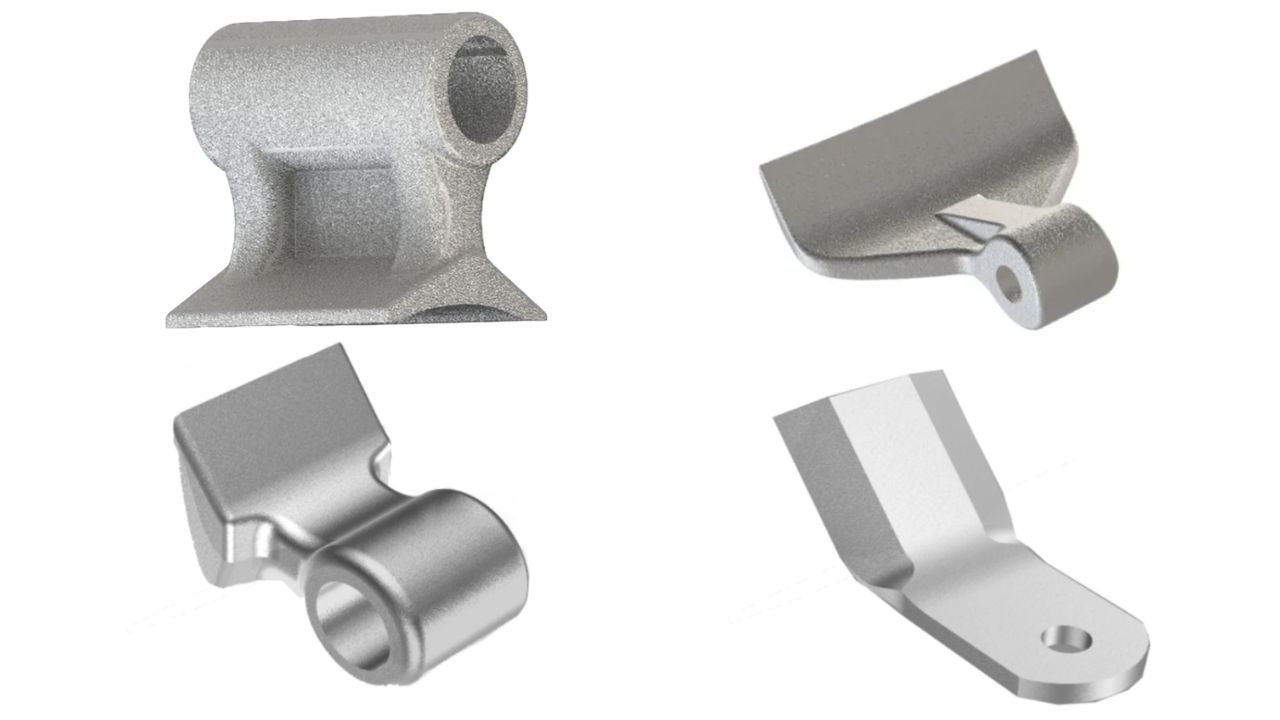
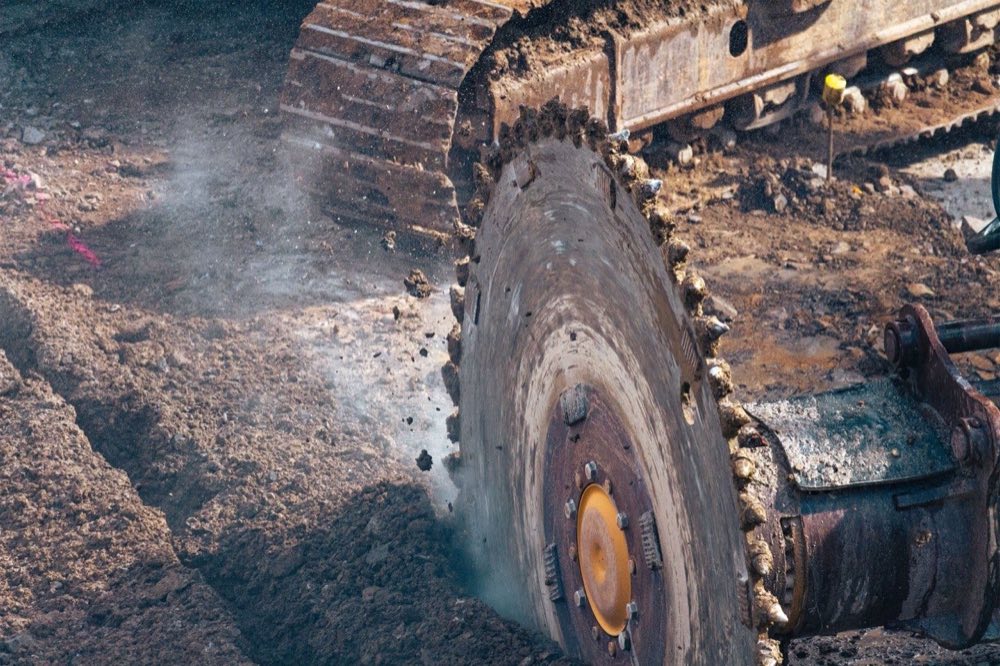
Flail mower hammer blades are used in heavy vegetation work where normal cutting tools struggle. Their task involves working on tough grasses, woody growth, and harsh terrain. Slight design or material changes can greatly affect their longevity and performance due to consistent harsh use. Hence, they are considered an important wear component used in difficult land-clearing jobs. Not all hammer blades behave the same in the field. Some wear quickly, while others stay stable under repeated stress. In this space, JYF hammer blades are often discussed for their durability during long working hours and on rough terrain.
Forged Structure
Forging is a key difference. Instead of shaping metal by simple cutting or casting, the material is pressed under high force while hot. This process improves internal strength. It also helps the blade resist bending and cracking during repeated impact. A forged structure reduces weak points inside the blade. That means the blade can handle repeated strikes from brush and wood without breaking along hidden stress lines.
Cutting Impact Design
Hammer blades do not slice like knives. They work through repeated impact. JYF hammer blades are shaped to focus force at the point of contact, which helps break down material step by step. This impact-based design is useful in overgrown areas where plants are thick and uneven. It allows the mower to clear material without needing multiple passes over the same ground.
Weight Balance Control
Balance plays a quiet but important role in flail mower work. If blades are uneven, the rotor shakes during rotation. This creates extra stress on the machine. JYF hammer blades are produced with controlled weight distribution. This helps reduce vibration and keeps the mower running more smoothly during long hours of use.
Resistance to Wear
Wear happens slowly but constantly in field work. Soil, stones, and dry vegetation all contribute to surface damage over time. A key difference among JYF hammer blades lies in how they resist gradual wear. The surface hardness helps reduce edge loss, which keeps cutting performance more stable between maintenance cycles.
Performance in Mixed Terrain
Many working sites are not uniform. A single area can include grass, brush, and hidden hard objects under the soil. This mix creates unpredictable resistance. In these conditions, blades from JYF Machinery are often used because they maintain cutting ability even when the material changes suddenly. This reduces interruptions during work.
Compatibility with Flail Systems
Hammer blades should be compatible with the flail mower system to ensure proper rotation and cutting performance without vibration. JYF hammer blades come with mounting holes that fit into conventional mounting systems found in several models of flail mowers. This helps maintain stable rotation and reduces installation issues during replacement.
Heat and Friction Control
The process of blade operation generates considerable heat due to prolonged contact with vegetation and the ground surface. Excessive heat tends to reduce the durability of the blade edge. The material composition used in JYF hammer blades helps manage heat buildup. This keeps the blade structure more stable during long working hours in dry or dense conditions.
Durability in Long Use Cycles
Flail mowers often run for long periods without stopping. This puts steady pressure on every blade attached to the rotor. JYF hammer blades are designed to maintain performance across extended cycles. Instead of sharp early wear, they tend to degrade more gradually, making it easier for operators to plan maintenance.
Response to Hard Impact
The unexpected presence of a rock or buried object can strike the blade abruptly. This has been one of the prime reasons for abrupt damage. The internal strength of JYF hammer blades helps absorb part of this shock. While no blade is immune to damage, the structure reduces the chance of immediate failure under impact.
Field Maintenance Behavior
Blades are not only judged by how they cut but also by how they behave during maintenance cycles. Some wear unevenly, which makes replacement more frequent. With JYF hammer blades, wear tends to stay more uniform across the cutting edge. This helps maintain consistent cutting performance until replacement is actually needed.
Real Working Conditions
In real field use, conditions change quickly. A mower may move from soft grass to dense brush within minutes. This shift demands blades that can adjust without losing efficiency. JYF hammer blades are used in such environments because they keep cutting performance steady across changing terrain. This reduces the need to stop and change tools mid-work.
Conclusion
What makes JYF hammer blades unique is that it is not due to one particular element, but due to the combination of several design aspects that make their performance in a flail mower stable. In practice, it is more important to maintain constant efficiency than to demonstrate sporadic performance. That is why blades by JYF Machinery are preferred for extensive use.