Lid Design and the Drinking Experience: Why This Spec Matters More Than It Looks
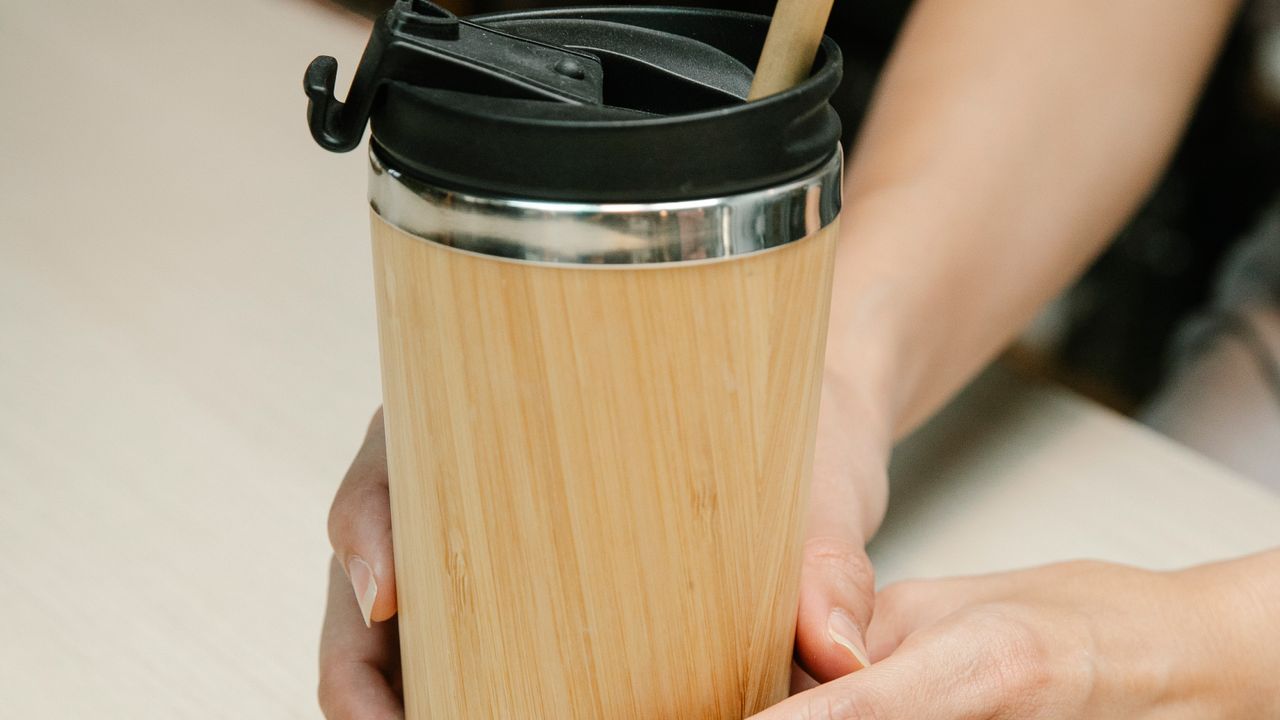
Tumbler lid design gets less attention than capacity, finish, or insulation rating in most purchasing discussions, but it’s the component that most directly determines whether the product gets used. A tumbler with excellent insulation and a lid that leaks when tilted, that’s difficult to open with one hand, or that traps residue and smells after a few uses, generates complaints regardless of how the other specs hold up.
For bulk tumbler orders, lid selection deserves more than a passing decision.
The three main lid categories and what distinguishes them
Screw-top lids, sliding lids, and push-button lids cover the majority of the insulated tumbler market. Each has a characteristic use case, failure mode, and maintenance requirement.
Screw-top lids are the simplest construction: a threaded collar engages with the tumbler mouth, compressing a silicone gasket to create a seal. The seal quality depends on the gasket design and the thread pitch. A well-designed screw lid is reliably leak-proof when fully tightened; the failure mode is user error — a lid that’s partially threaded creates a false sense of closure that leaks when the tumbler is tilted. This is more common in daily use than it sounds, particularly with users who don’t inspect the lid engagement before putting the tumbler in a bag.
Sliding lids open and close with a push-button mechanism that moves a tab over or away from the drinking opening. The design allows one-handed operation, which makes it practical for driving, working out, or any context where the user’s other hand is occupied. The failure mode is the button mechanism: the spring and latch that hold the slider closed degrade over time and with high-cycle use. A slider that doesn’t close positively leaves a gap that allows spills if the tumbler is on its side.
Push-button lids with a straw or spouted opening follow a similar mechanism but direct flow through a fixed channel. The drinking experience is different from an open opening — controlled flow, reduced splash — but the straw or spout adds a component to clean. Lids with integrated straws have more surface area in contact with the beverage, and that contact area requires thorough cleaning to prevent odor and biofilm.
Seal geometry and leak performance under different orientations
Lid seal performance isn’t uniform across orientations. A lid that seals well when the tumbler is upright may leak when it’s on its side or inverted, depending on how the gasket is loaded.
Screw lids rely on the gasket being compressed uniformly around the full circumference. When the tumbler is tilted, the liquid column exerts pressure on one side of the lid; if the gasket doesn’t maintain compression at that point, liquid seeps past. This is a function of gasket thickness, durometer, and the thread engagement — a thin gasket or insufficient thread engagement creates a seal that holds vertically but fails laterally.
Slider lids have a more complex seal path: the slider must seal both the drinking opening and any vent aperture when closed. The vent is necessary to allow flow during drinking but must seal when closed to prevent leakage. Lid designs that neglect the vent seal geometry produce lids that feel closed but allow slow seepage through the vent channel.
For bulk orders where tumblers will be used in contexts that involve bag transport or any horizontal orientation, testing seal performance under those conditions before committing to volume is worth doing.
Cleaning access and long-term hygiene
Lid cleanability is a significant factor in long-term satisfaction with the product. A lid that traps residue in areas that a standard brush can’t reach will develop odor within weeks of use, particularly if the tumbler is used for beverages other than plain water.
The most problematic lid designs are those with narrow internal channels, recessed gasket grooves that require the gasket to be removed to clean underneath, and hinged mechanisms with gaps that trap liquid. Users who discover these problems post-purchase — and don’t want to deal with the cleaning process — often stop using the tumbler entirely.
A design that’s easy to clean has: a removable gasket with no trapped areas underneath, smooth internal surfaces without recesses or undercuts, and drinking channels wide enough to accept a straw brush or at least to rinse clear under running water. These aren’t exotic requirements — most better-quality lids meet them — but they’re worth verifying on samples before specifying for a bulk order.
Lid-to-body fit and the standard compatibility question
Tumbler lid standards are not fully universal. The 12/16/20/24oz capacity progression from most manufacturers follows similar mouth diameters, but there are enough dimensional variations that a lid from one manufacturer may not seal correctly on a tumbler from another. For single-source bulk orders this isn’t a problem; it becomes relevant when buyers are sourcing replacement lids separately or specifying accessories that need to work across different tumbler bodies.
For corporate programs or food service deployments where lid replacement over time is expected, confirming that the lid is available as a standalone replacement part — and that the supplier commits to continued availability — matters. A program that runs for two years and can’t source replacement lids in year two has a problem the initial purchase didn’t address.
How lid selection affects the total cost of a bulk order
Lid type affects per-unit cost in ways that aren’t always obvious from the initial quote. Push-button slider lids with stainless steel mechanisms cost more than basic screw tops with silicone gaskets. Lids with separate injection-molded components — multiple colors, branded elements, integrated straws — cost more than single-component lids. For a bulk order where the lid is a small fraction of total cost, the difference may be negligible; for cost-sensitive programs at high volume, it matters.
A buyer working with a stainless steel tumbler supplier on a custom program should ask for quotes on two or three lid configurations to understand the price difference before committing. The upgrade from a basic screw top to a slider lid on a 1,000-piece order might be $0.80 per unit — a $800 difference that’s worth knowing about before the decision is made.
What actually matters for the specific use case
The right lid for one application isn’t the right lid for another. Office drinkware used at a desk benefits from a secure screw top with minimal splash; active use — commuting, fitness, outdoor events — benefits from one-handed operation and positive closure. Hospitality and food service deployments may prioritize clean aesthetics and easy guest use over mechanical complexity.
The error most bulk buyers make is selecting a lid based on how it looks in product photography rather than how it performs in the specific context where it’ll be used. Getting samples into the hands of a few representative end users before placing a large order catches the usability problems that don’t show up in a supplier’s spec sheet or marketing materials — problems that become returns, complaints, or simply unused drinkware collecting dust.